Revolutionizing Data Center Cooling with Microfluidic Technology
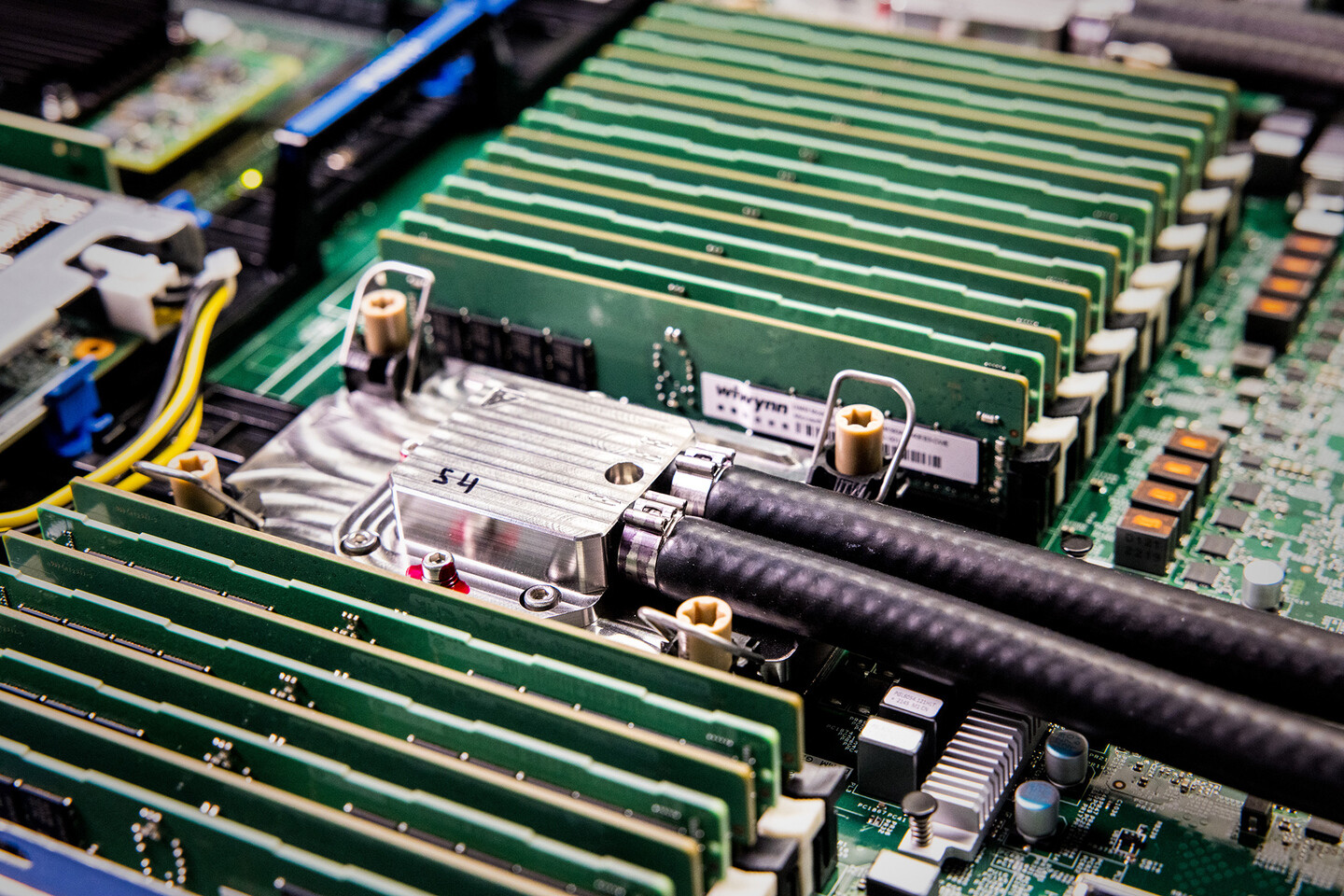
As the demand for artificial intelligence accelerators in data centers continues to surge, efficient cooling solutions have become a critical challenge for hyperscale operators like Microsoft. Traditional cooling methods are struggling to keep pace with the escalating heat output of modern AI hardware. In response, Microsoft has unveiled a groundbreaking approach: custom cooling plates that leverage microfluidic technology to dramatically enhance heat dissipation from silicon chips.
How Microfluidic Cooling Works
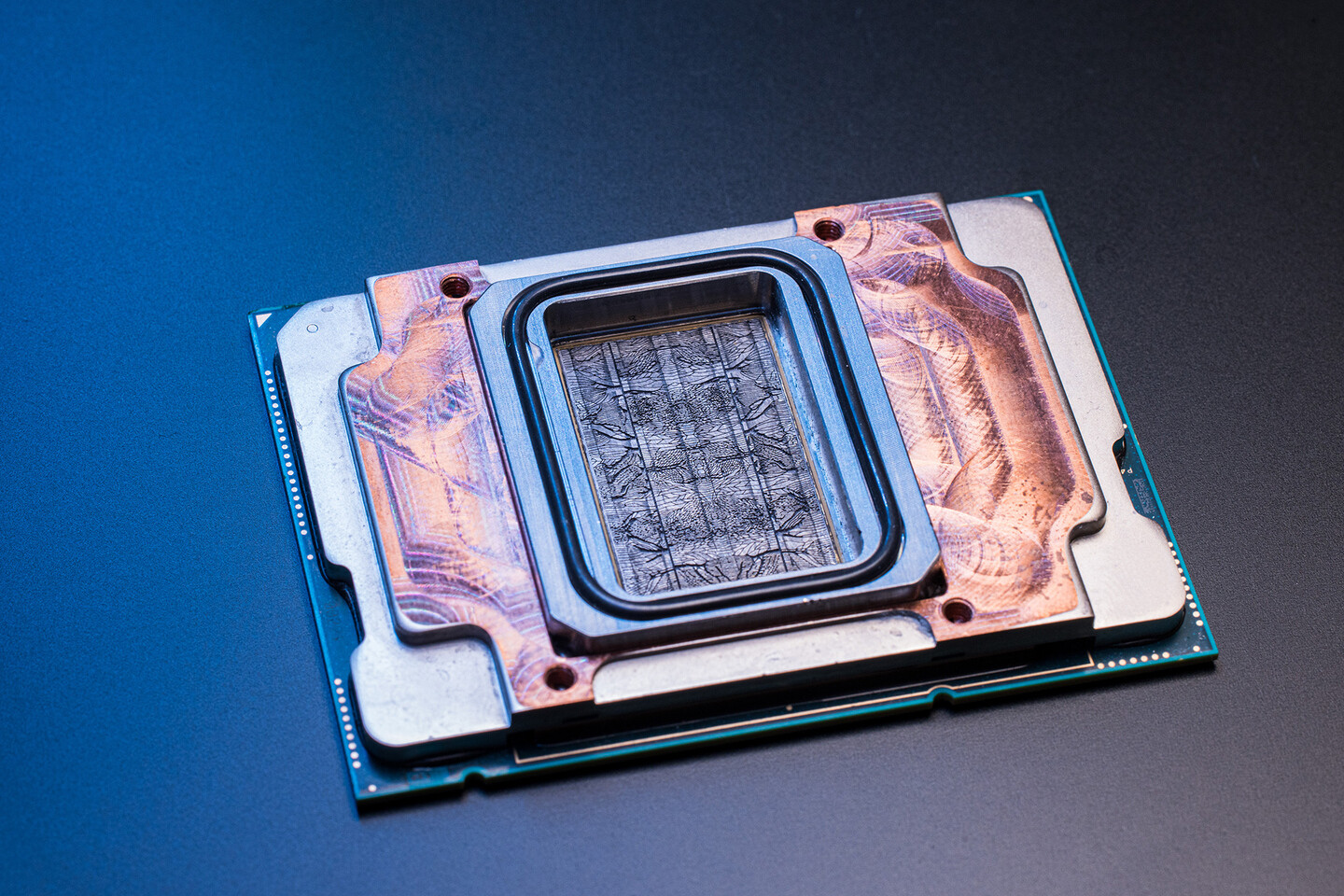
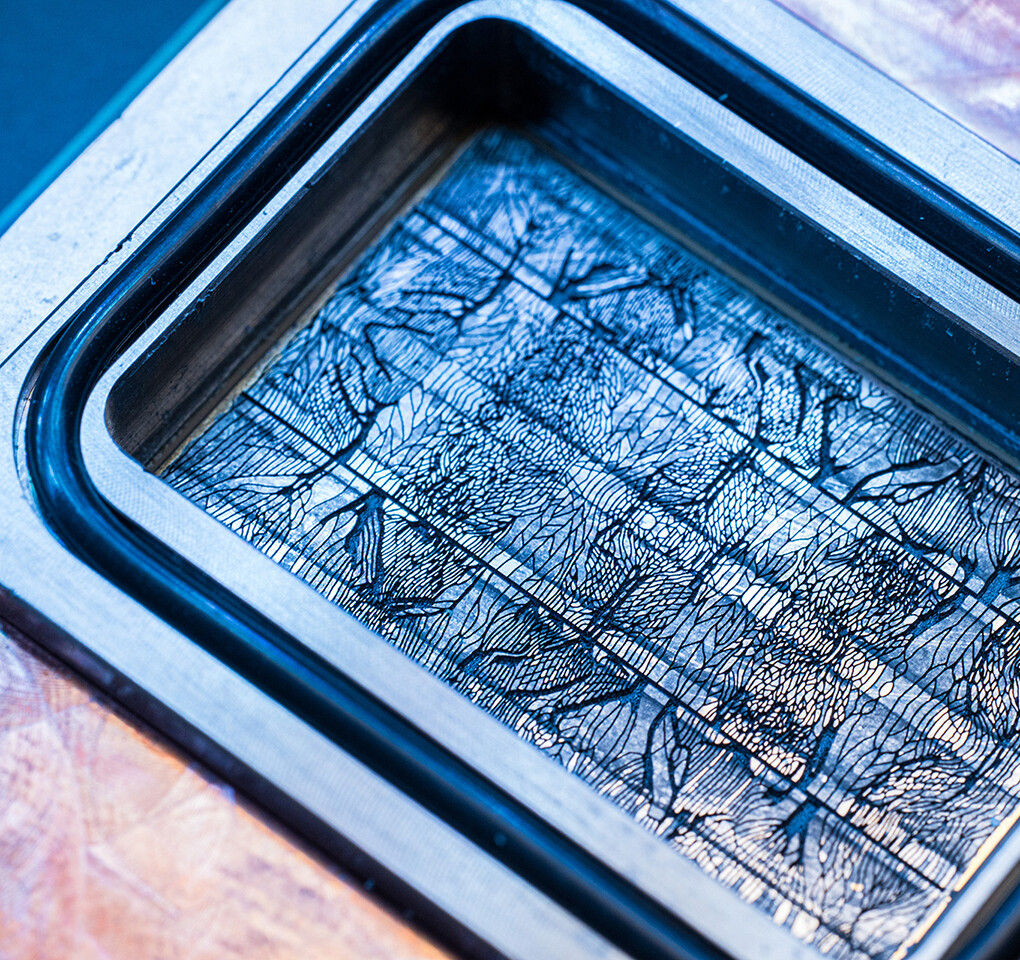
Unlike conventional cold-plate systems that rely on metal plates positioned above packaged chips, Microsoft’s innovative design integrates microscopic channels directly into the silicon itself. These microchannels, inspired by the intricate vein patterns found in leaves, allow liquid coolant to flow much closer to the chip’s transistor network—the primary source of heat. By bringing the coolant into direct proximity with the hottest regions, this method significantly improves thermal transfer efficiency.
Microsoft’s engineers utilized artificial intelligence to optimize the layout of these channels, tailoring the flow paths to each chip’s unique thermal profile. This AI-driven approach ensures that coolant is directed precisely to the most active hotspots, outperforming standardized channel designs. Internal testing has shown that microfluidic cooling can remove heat up to three times more efficiently than traditional cold plates, reducing peak GPU temperatures by approximately two-thirds.
Addressing the Heat Challenge of Next-Generation AI Accelerators
The latest AI accelerators, such as NVIDIA’s projected “Rubin Ultra,” are expected to generate as much as 2,300 watts of heat from a single device. As chip architectures become denser and more powerful, the challenge of managing this concentrated heat load intensifies. Even as semiconductor manufacturing nodes become more efficient, the industry continues to push for maximum performance, further increasing thermal demands.
Microfluidic cooling addresses these challenges by minimizing the thermal barrier between the coolant and the transistors. This close contact enables higher rack densities, supports higher clock speeds during peak workloads, and opens the door to advanced packaging techniques like 3D chip stacking—previously limited by thermal constraints.
Engineering and Manufacturing Considerations
Integrating liquid cooling channels within silicon chips presents significant engineering and manufacturing hurdles. The microchannels must be precisely etched: deep enough to absorb heat effectively, yet shallow enough to maintain the chip’s structural integrity. Ensuring leak-proof packaging and validating both coolants and etching processes are essential steps. Additionally, the entire cooling ecosystem—from silicon and circuit boards to server infrastructure and data center plumbing—must be designed as a cohesive system.
Microsoft is currently conducting multiple design iterations and laboratory trials to refine this technology for future in-house chips and collaborative projects with manufacturing partners. Implementing microfluidic cooling at scale will require advanced packaging capabilities from leading semiconductor foundries such as TSMC, Intel, or Samsung.
As data centers continue to evolve to meet the demands of AI workloads, innovations like microfluidic cooling represent a promising path forward. By enabling more efficient heat removal, this technology has the potential to unlock higher performance, greater energy efficiency, and new possibilities in chip design and data center architecture.